Bookings are currently open for the 2025/2026 season. Book Now
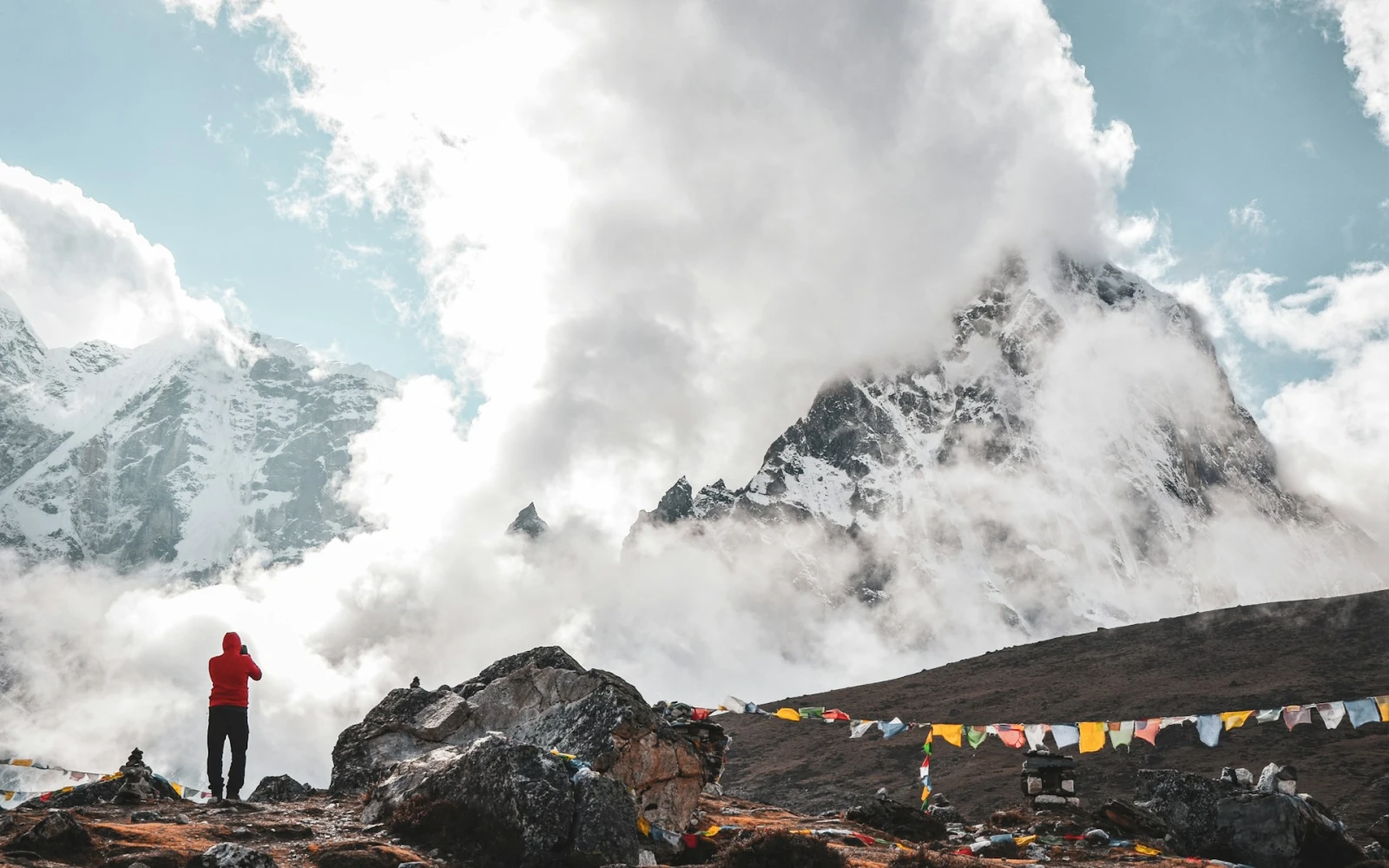
Trekking to Everest Base Camp (EBC) is not just a physical journey, but an emotional and mental expedition into the heart of the Himalayas. With Mountain Holiday Treks & Expedition, every step along this iconic trail is thoughtfully curated, offering an immersive experience through ancient villages, roaring rivers, and sacred monasteries, all under the watchful eye of towering Himalayan giants. This trek is often described as life-changing, and for good reason—it challenges your endurance, offers profound cultural encounters, and rewards you with some of the most breathtaking views on Earth.
The day-by-day experience paints a detailed picture of what you can truly expect. From the adrenaline-charged landing in Lukla to the serene prayer wheels in Tengboche, and finally standing before the foot of the tallest mountain in the world, the journey unfolds like a storybook—each chapter rich with its own characters, struggles, and triumphs. Mountain Holiday Treks & Expedition ensures that trekkers not only reach their goal safely but also form a deep connection with the landscape and people along the way.
Arrival in Lukla: The World’s Most Thrilling Landing Strip
Touching down at Lukla’s Tenzing-Hillary Airport is not just an arrival—it’s an adventure in itself. Often dubbed the world’s most thrilling (and terrifying) landing strip, the short, steep runway clings to the edge of a mountain with no room for error. As your small twin-engine plane weaves between peaks and suddenly banks into a descent, it becomes clear: the trek has officially begun. For many, this heart-pounding landing is their first taste of the wild unpredictability of the Himalayas.
Upon arrival, you’re immediately surrounded by bustling porters, fluttering prayer flags, and crisp mountain air. The friendly staff from Mountain Holiday Treks & Expedition are there to greet you, helping with luggage and introductions. With warm smiles and local insight, they set the tone for the journey ahead, offering both comfort and confidence. It’s here, among the prayer wheels and rugged stone paths of Lukla, that excitement mixes with nerves. The enormity of the adventure begins to sink in, but with a trusted team by your side, you're ready to take the first steps.
From Lukla to Phakding: Nerves, Trails, and First Impressions
The trail from Lukla to Phakding is a gentle introduction to trekking life, yet it’s laced with emotion. The path meanders through charming Sherpa villages, suspension bridges strung across deep gorges, and forested hillsides where the distant roar of the Dudh Koshi River becomes your steady soundtrack. It’s an easy walk in terms of altitude, but many trekkers feel the weight of anticipation—every stone step a reminder that Everest Base Camp is still many days away.
As you settle into a rhythm, the warmth of local hospitality becomes apparent. Teahouses along the way offer hot meals and cozy rooms, while your guides from Mountain Holiday Treks & Expedition share stories about the landscape and culture. These early hours on the trail are all about absorbing your surroundings: the sweet scent of pine, the prayer flags fluttering in the wind, and the ever-present feeling of stepping into something bigger than yourself. Reaching Phakding for your first overnight stay offers a sense of accomplishment—and a well-deserved rest under a sky filled with Himalayan stars.
Phakding to Namche Bazaar: The First True Test
This is where the real challenge begins. The trail from Phakding to Namche Bazaar is a demanding uphill climb that tests your stamina and determination. As you cross several high suspension bridges, including the iconic Hillary Bridge, and ascend steep switchbacks, the oxygen starts to thin. The final few hours are especially tough, with a seemingly never-ending zigzag climb through pine forests. But with every breathless step, your reward grows greater.
Namche Bazaar, nestled in a natural amphitheater at 3,440 meters, is the largest Sherpa town in the Khumbu region. Arriving there feels like reaching a mountain metropolis after the quiet of the trail. Colorful buildings, bakeries, gear shops, and bustling markets breathe life into this high-altitude haven. Mountain Holiday Treks & Expedition ensures you are well looked after, with a comfortable lodge, hearty meals, and crucial advice on altitude acclimatization. This leg of the journey solidifies your commitment—it’s no longer just a trek, it’s a pilgrimage.
Rest Day in Namche: Acclimatizing and Soaking It In
While it’s called a "rest day," your time in Namche is anything but idle. The body needs to adjust to the altitude, and active acclimatization is key. A guided hike to the Everest View Hotel or the Sherpa Culture Museum not only helps your body adapt but also provides jaw-dropping panoramic views of Everest, Lhotse, and Ama Dablam. These are the moments where the scale and majesty of the Himalayas truly hit home.
Namche itself is a cultural gem. Wander the narrow alleyways lined with yak wool scarves, hand-carved trinkets, and prayer wheels. Sip locally brewed coffee or taste a freshly baked apple pie as you rest your legs. Your guides from Mountain Holiday Treks & Expedition are nearby, offering expert insight and encouragement. This day is a pivotal pause—your chance to breathe, observe, and mentally prepare for the higher altitudes to come. It's also when many trekkers begin to bond deeply with their group, sharing stories and laughter around the teahouse fireplace.
Namche to Tengboche: Into the Heart of the Himalayas
Leaving Namche Bazaar, the trail to Tengboche offers one of the most scenic days of the trek. After a brief ascent, you're treated to a jaw-dropping panorama of Everest, Lhotse, Nuptse, and Ama Dablam—arguably the most photogenic peak in the region. The path winds through rhododendron forests, traverses ridgelines, and descends to the Dudh Koshi River before a challenging climb brings you to Tengboche Monastery, perched at 3,867 meters. This stage of the journey feels like stepping deeper into the sacred heart of the Himalayas.
Tengboche is not just a resting point—it’s a spiritual and cultural sanctuary. The monastery, one of the largest in the Khumbu region, is a place where many trekkers pause to reflect. If timing permits, the monks’ evening prayers create a surreal atmosphere, echoing through the hills. Mountain Holiday Treks & Expedition guides help arrange visits and share stories of the monastery’s history and significance. As the sun sets behind Ama Dablam and the temperature drops, a sense of awe settles in. You are no longer just walking through the mountains—you are becoming part of them.
Tengboche to Dingboche: Thinner Air, Stronger Bonds
From Tengboche, the trail continues through dense forests before gradually ascending above the treeline. With each step, the landscape grows more dramatic and barren—lush greenery gives way to alpine terrain, and the air grows noticeably thinner. This part of the trek is when altitude begins to show its effects more distinctly, but also where the camaraderie among fellow trekkers often strengthens. The climb may be slower, but conversations grow deeper, and the shared purpose becomes more tangible.
Dingboche, situated at 4,410 meters, is a windswept village nestled in a broad valley surrounded by towering peaks. The comfort of a warm teahouse, a hearty meal, and the welcoming staff of Mountain Holiday Treks & Expedition becomes increasingly appreciated. The guides monitor everyone's health closely, reminding you to hydrate, eat well, and rest. Despite the physical challenges, Dingboche brings a profound sense of peace. The stars here shine brighter, the nights are quieter, and the Himalayas feel closer than ever.
Another Rest Day: Reflecting, Adjusting, Preparing
The second acclimatization day in Dingboche is essential for preparing your body for the altitude ahead. While it’s tempting to stay cozy in the teahouse, Mountain Holiday Treks & Expedition organizes a short but steep hike—usually up Nagarjun Hill (around 5,100 meters). The climb is tough, but the view from the top, offering sweeping vistas of Makalu, Island Peak, and the Imja Valley, is well worth the effort. These acclimatization hikes mimic the “climb high, sleep low” strategy, helping your body adjust to the thinner air.
This day also provides a valuable mental reset. With more time to rest and reflect, many trekkers journal, meditate, or simply soak in the surrounding stillness. The village of Dingboche allows a slower pace, where you can observe local life—yaks grazing nearby, stone walls circling potato fields, and prayer flags fluttering in the wind. It’s a reminder that the Himalayas are not just a trekking destination but a living, breathing world. This quiet pause before pushing higher gives you strength—not just physically, but emotionally.
Dingboche to Lobuche: Where Silence Grows Louder
As you ascend from Dingboche toward Lobuche, the landscape takes on an eerie, solemn beauty. The trail cuts through glacial moraine fields and wide expanses of rock and ice. A powerful moment on this section is passing through the Thukla Pass memorials—stone shrines and prayer flags honoring climbers who lost their lives on Everest. It’s a sobering, deeply moving experience that underscores the respect this mountain commands. Conversations tend to quiet here, replaced by introspection and a growing reverence for the journey.
Lobuche, sitting at 4,940 meters, is stark and windblown, tucked beneath looming peaks. Breathing becomes more labored, and sleep may be more restless, but the professionalism of Mountain Holiday Treks & Expedition makes all the difference. Guides check oxygen levels, monitor symptoms of altitude sickness, and ensure you're eating and drinking enough. Despite the physical strain, there’s a quiet determination among the group. Tomorrow, you’ll step into the shadow of Everest itself. The sense of purpose is stronger than ever.
Lobuche to Gorak Shep to EBC: The Dream Realized
This is the day every step has been building toward. Departing early from Lobuche, you trek across rocky, glacial terrain to reach Gorak Shep, the final outpost before Base Camp. After a brief rest and refueling stop, you set out for Everest Base Camp—an otherworldly walk along the Khumbu Glacier. The trail is tough, with jagged rocks and thin air testing your endurance, but the sight of the prayer-flag-draped stones that mark Base Camp fills you with adrenaline. You’ve made it. Standing at 5,364 meters, surrounded by icefalls, glaciers, and the mighty Everest towering above—it’s a surreal moment.
Tears, cheers, silence—everyone reacts differently, but all feel the weight of what they’ve accomplished. The Everest Base Camp isn't about summiting; it's about reaching a place that symbolizes ambition, resilience, and adventure. The guides from Mountain Holiday Treks & Expedition are right there with you—snapping photos, offering high-fives, and letting you soak in every moment. As you make your way back to Gorak Shep for the night, exhausted yet elated, it hits you: it’s not just the destination that changes you. It’s everything you did to get there.
Climbing Kala Patthar: A Sunrise Above the World
While reaching Everest Base Camp is the emotional high point of the trek, climbing Kala Patthar is arguably the visual highlight. At 5,545 meters, Kala Patthar offers the best panoramic view of Mount Everest—unobstructed and awe-inspiring. The climb starts in the dark, often around 4:00 AM, with headlamps bobbing along the icy trail and the cold biting at your fingertips. The air is thin, and every step requires deep concentration, but the anticipation of sunrise keeps your spirits high.
As the first golden rays hit the summit of Everest, a hush falls over the small group at the top. You stand surrounded by towering giants—Pumori, Nuptse, Lhotse, and Everest—glowing in hues of orange and pink. Cameras click, tears fall, and silence often says more than words ever could. Mountain Holiday Treks & Expedition ensures your safety and comfort even here, with warm tea, support from your guides, and shared celebration. Climbing Kala Patthar is not just about the view—it’s a symbolic moment of standing above your doubts, fatigue, and fears, with the whole world spread out beneath you.
The Journey Back Begins: Retracing Our Footsteps
Descending from the heights of Kala Patthar and Gorak Shep begins the second half of your journey—one that many describe as more reflective. As you trek back through Lobuche, Dingboche, and eventually Tengboche, the terrain feels familiar yet somehow different. The pressure of “getting there” has lifted, replaced with a deeper awareness of everything around you. You notice the textures of the landscape, the expressions of the locals, and the rhythms of life in these remote mountains in a way you might have missed on the way up.
Mountain Holiday Treks & Expedition takes care to adjust the pacing of the descent, allowing your body to recover gradually while still enjoying every step of the return. Without the urgency of altitude acclimatization, conversations flow more easily, and friendships that began as introductions now feel like lifelong bonds. It’s a time to laugh, to share highlights, and to begin mentally unpacking what the journey has meant to you. The Himalayas, no longer distant and intimidating, begin to feel like home.
Returning to Lukla: Bittersweet Goodbyes
As you walk the final days from Namche Bazaar back to Lukla, there’s a mix of emotions that’s hard to describe. Joy for having completed the trek. Sadness that it’s coming to an end. Gratitude for the mountains, the people, and the incredible team from Mountain Holiday Treks & Expedition who made it all possible. The trail feels different on the return—what was once steep now feels manageable, what was once uncertain now feels familiar. Every suspension bridge you cross is a bridge between who you were before and who you've become.
Arriving in Lukla, there’s time to celebrate one last night with your guides, porters, and fellow trekkers. Sharing meals and memories in the teahouse, you begin to reflect more openly on the experience. The farewell dinner, often filled with laughter and clinking mugs of hot tea or beer, is a tribute to the journey you’ve all taken together. It's also a chance to thank the local team—those whose strength and knowledge were vital to your success. Without a doubt, Mountain Holiday Treks & Expedition turns what could be just a trek into a personal and deeply meaningful adventure.
Flying Out: Gratitude, Growth, and Letting Go
The flight from Lukla back to Kathmandu is as thrilling as the one that began your journey—perhaps even more so, now colored by a deeper connection to the mountains you’re leaving behind. As the plane lifts off the tiny runway and banks over the foothills, you get one last glimpse of the snow-capped peaks in the distance. This is when it truly hits you: You’ve done it. You’ve walked in the footsteps of legends, tested your limits, and discovered a part of yourself you didn’t know existed.
Back in the bustling city of Kathmandu, the noise, color, and pace of urban life feels surreal after the quiet majesty of the Khumbu. And yet, something inside you has shifted. The trek to Everest Base Camp wasn’t just a physical achievement—it was a journey of transformation. With the support of Mountain Holiday Treks & Expedition, every moment was made safer, richer, and more authentic. As you pack your bags and prepare for the flight home, you carry with you more than souvenirs and photos. You take home stories, strength, and a deep sense of gratitude—for the mountains, the people, and the part of you that will always belong to the Himalayas.