Bookings are currently open for the 2025/2026 season. Book Now
The Everest Via Gokyo Ri Trek is one of the most captivating and rewarding trekking experiences in Nepal, renowned for its stunning natural beauty and cultural richness. This trek offers a unique blend of serene alpine lakes, towering Himalayan peaks, and traditional Sherpa villages, making it a top choice for adventure seekers and nature lovers alike. Unlike the classic Everest Base Camp trek, this route takes you through the magnificent Gokyo Valley, home to a series of spectacular turquoise lakes set against the backdrop of some of the highest mountains on Earth.
The trek combines the peaceful exploration of the Gokyo Lakes with the challenge of crossing the Cho La Pass, a high mountain pass linking the Gokyo Valley to the Everest Base Camp trail. This diversity makes the journey physically rewarding and visually stunning. Along the way, trekkers witness iconic peaks such as Mount Everest, Lhotse, Makalu, and Cho Oyu, while also immersing themselves in the local Sherpa culture and traditions. The trail passes through the Sagarmatha National Park, a UNESCO World Heritage site known for its unique flora and fauna, adding an element of wildlife discovery to the adventure.
Best Time for Everest Via Gokyo Ri Trek
The ideal seasons for undertaking the Everest Via Gokyo Ri Trek are spring (March to May) and autumn (September to November). During these months, the weather is generally stable, clear, and mild, providing the best visibility for spectacular mountain views. Spring is particularly beautiful as the rhododendron forests burst into vibrant colors, and the temperature remains moderate, making it comfortable for trekking. Autumn is equally favored for its crisp air and clear skies, with less likelihood of rain, offering breathtaking panoramas of the Himalayan peaks.
Winter trekking (December to February) is possible but recommended only for experienced trekkers due to the colder temperatures and higher chances of snow on trails, especially on the Cho La Pass. The monsoon season (June to August) is less ideal because heavy rainfall can make trails slippery and increase the risk of landslides. However, the landscapes during monsoon are lush and green, and some trekkers do enjoy the quieter trails during this time.
Everest Via Gokyo Ri Trek Difficulty
The Everest Via Gokyo Ri Trek is categorized as a moderate to challenging trek. While it does not require technical climbing skills, trekkers need a good level of physical fitness and endurance to handle long trekking days and high-altitude conditions. The trek involves gradual ascents and descents, with the highest point being Kalapathar (5,545 meters) and the demanding Cho La Pass (5,330 meters), which can be snow-covered and slippery.
Altitude sickness is a potential risk, so proper acclimatization days are included in the itinerary, particularly in Namche Bazaar and other higher settlements. The trek demands good stamina, mental preparation, and appropriate gear to navigate rocky paths, suspension bridges, and sometimes snowy trails. However, the breathtaking scenery and the thrill of reaching Everest Base Camp via this less-traveled route make the effort well worth it.
Food and Accommodations for Everest Via Gokyo Ri Trek
During the Everest Via Gokyo Ri Trek, trekkers will stay mostly in teahouses and lodges, which provide basic yet comfortable accommodations. These mountain lodges offer warm rooms with shared or private bathrooms, hot showers (available in most places for an extra charge), and cozy common areas where trekkers can relax and share stories. The facilities improve as you descend to lower altitudes, with more options for meals and amenities.
Food along the trek mainly consists of hearty Nepali dishes like dal bhat (lentil soup with rice), momos (dumplings), noodles, and soups, alongside international options such as pasta, omelets, and pancakes. Staying hydrated and eating nutritious meals are important to maintain energy levels at high altitudes. Mountain Holiday Treks & Expedition ensures that all meals provided during the trek meet high standards of hygiene and quality, with attention to dietary preferences and special requirements when informed in advance.
Why Choose Everest Via Gokyo Ri Trek with Mountain Holiday Treks & Expedition?
Choosing Mountain Holiday Treks & Expedition for your Everest Via Gokyo Ri Trek guarantees a safe, enjoyable, and culturally enriching experience. With years of expertise in organizing Himalayan adventures, the company offers professional guides who are knowledgeable about the terrain, local culture, and altitude health precautions. Their well-trained crew ensures your comfort and safety throughout the journey, from the scenic flight into Lukla to the final descent back to Kathmandu.
Mountain Holiday Treks & Expedition focuses on sustainable tourism and supports local communities, offering authentic interactions with Sherpa culture and contributing positively to the region’s economy. The company’s personalized service, attention to detail, and commitment to client satisfaction set them apart. Whether you are a seasoned trekker or a first-timer, Mountain Holiday Treks & Expedition provides the necessary support and flexibility to make your Everest Via Gokyo Ri Trek an unforgettable adventure.
Trekking Grade: Moderate to Strenuous – suitable for trekkers with good fitness and some high-altitude experience.
Max Altitude: 5,545m at Kala Patthar – altitude sickness risk exists; proper acclimatization and hydration are essential.
Flight Delays: Lukla flights depend on weather; expect possible delays—extra buffer days recommended.
Accommodation: Basic teahouses/lodges along the trail; comfortable hotels in Kathmandu.
Luggage: Light packing advised; porter weight limit approx. 10–12 kg per person.
Connectivity: Limited mobile network and Wi-Fi; carry sufficient cash—ATMs available only in Namche and Lukla.
Insurance: Comprehensive travel and evacuation insurance is mandatory.
Physical Demand: Trek includes challenging passes like Cho La and steep climbs; good stamina required.
Respect Local Culture: Support local communities, respect traditions, and follow eco-friendly trekking practices.
Upon your arrival at Tribhuvan International Airport in Kathmandu, a representative from Mountain Holiday Treks & Expedition will be there to warmly welcome you. After brief introductions, you’ll be transferred to your hotel in the city. The drive through the lively streets of Kathmandu gives you a first glimpse of Nepal’s vibrant culture. Once you reach your hotel, you can check in and take some well-deserved rest. Depending on your arrival time, you may wish to take a short stroll through Thamel, the tourist hub, or relax after your international journey. It’s your free time to recover from jet lag. In the evening, the team will provide a short orientation about your trek. Overnight at a comfortable hotel in Kathmandu.
Today is dedicated to exploring Kathmandu Valley’s cultural riches with a knowledgeable local guide. You’ll visit four UNESCO World Heritage Sites, beginning with Kathmandu Durbar Square, once the royal palace complex, showcasing traditional Newari architecture. Then you’ll head to Swoyambhunath Stupa, affectionately called the Monkey Temple, perched on a hilltop offering panoramic views of the city. Next, you’ll witness the spiritual ambiance of Pashupatinath, a sacred Hindu temple complex along the Bagmati River, where cremation ceremonies are often visible. Finally, visit Boudhanath Stupa, one of the largest Buddhist stupas in the world, surrounded by Tibetan monasteries and spinning prayer wheels. After this culturally rich day, return to the hotel for a detailed pre-trek briefing with your guide. Overnight at the hotel.
After an early breakfast, you’ll take a thrilling mountain flight from Kathmandu to Lukla (2840m), one of the most scenic and adrenaline-pumping airstrips in the world. Upon arrival in Lukla, you’ll meet your porter team and finalize gear before beginning the trek. The first leg of your journey is a relatively gentle walk to Phakding. The trail winds through pine forests and small Sherpa villages along the Dudh Koshi River. You’ll pass mani walls, prayer wheels, and small chortens as you descend slightly to Phakding. The scenery is calming, and the sounds of the river are soothing. Phakding is a peaceful village, and you’ll spend the night at a teahouse, relaxing and preparing for the days ahead.
Today’s trek follows the Dudh Koshi River upstream, crossing it several times via suspension bridges adorned with prayer flags. As you walk, the trail leads through lush pine forests and past charming villages like Monjo and Jorsale. You'll officially enter Sagarmatha National Park at Monjo, where your permits will be checked. The final ascent to Namche is steep and can be challenging, especially as altitude increases. But your effort is rewarded with the first distant glimpses of Mt. Everest and other Himalayan peaks like Thamserku and Kusum Kanguru. Finally, you arrive in Namche Bazaar, the bustling Sherpa town and gateway to Everest. Enjoy the vibrant atmosphere, shops, bakeries, and mountain views. Overnight in a cozy teahouse.
Acclimatization is essential to prepare your body for higher altitudes, and Namche is the perfect place for a rest day. After breakfast, you may choose to hike up to the Everest View Hotel (3880m) for spectacular panoramic views of Everest, Ama Dablam, and Lhotse. Alternatively, you can visit the Sherpa Culture Museum and the Sagarmatha National Park Visitor Center, which offer insight into local traditions, mountaineering history, and the Himalayan ecosystem. For those seeking more walking, an optional hike to the traditional village of Thame is also available. Spend the rest of the day relaxing, shopping for gear, or sipping coffee in one of Namche’s bakeries. Overnight at the teahouse, enjoying the comforts of Namche.
Today’s trek starts with a steady ascent from Namche Bazaar to the charming village of Kyanjuma. This village offers stunning panoramic views of some of the region’s most iconic peaks, including Ama Dablam, Thamserku, and Kangtega. The morning light on these towering mountains is truly breathtaking. Continuing onward, the trail climbs further to Mong La, passing through traditional Sherpa settlements and lush rhododendron forests. From Mong La, you will begin a gentle descent into the serene valley where Dole is located. Dole is a small, quiet village surrounded by snowy peaks, providing a peaceful atmosphere to rest and acclimatize. Enjoy the crisp mountain air and the warm hospitality of the local teahouse where you will stay overnight.
From Dole, the trail ascends gradually, leading you through scenic juniper forests and past small villages such as Lhabarma and Luza. The environment feels pristine and untouched, with beautiful alpine flora lining the path. As you gain altitude, views of the towering Thamserku mountain come into focus, dominating the skyline with its rugged peaks. Machhermo, your destination for the day, sits at a slightly higher altitude and offers spectacular vistas of the surrounding Himalayan giants. This village serves as another acclimatization point, so you’ll have time to relax and soak in the peaceful ambiance. The teahouse accommodation here is cozy, perfect for resting before the challenging days ahead.
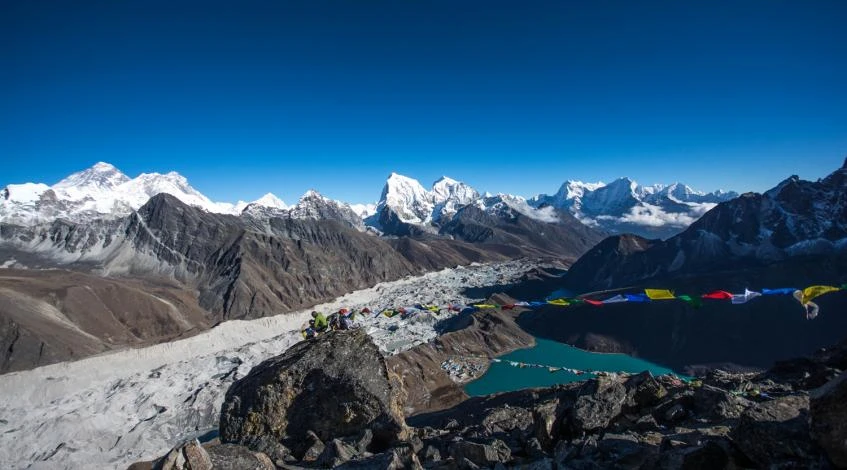
Your journey today takes you deeper into the stunning Gokyo Valley. Initially, you’ll climb a ridge that provides excellent views down the valley towards Kangtega peak. As you descend, the trail passes the small settlement of Pangkha and drops to the banks of the Dudh Koshi River. You then begin a steep climb following the valley where the first of the famous Gokyo lakes, Longpongo, comes into view. Continuing along the trail, you will pass Taboche Tsho, the second lake, and shortly after reach the third and largest lake in the series, which nestles the hidden gem of Gokyo Valley itself. This area is renowned for its pristine turquoise lakes framed by dramatic peaks. Spend the evening exploring the peaceful surroundings before settling in for the night.
After an early breakfast, you’ll hike up to the summit of Gokyo Ri, a steep but rewarding climb. From this vantage point, you’ll be treated to some of the most spectacular panoramic mountain views in the world — including Everest, Nuptse, Lhotse, Makalu, Cho Oyu, and many other towering giants. The sweeping vistas of snow-capped peaks and glacial valleys are breathtaking and offer excellent photo opportunities. After spending time at the summit, you will descend back to Gokyo for breakfast. The trail then leads you to Thangnak, a small village surrounded by stunning landscapes, where you’ll spend the night preparing for the challenging pass crossing ahead.
Today is one of the most challenging yet rewarding days of the trek. You start early, ascending steadily from Thangnak towards the Cho La Pass, a high mountain pass that often has snow cover, especially after November. The climb is demanding but offers some of the most spectacular views of Ama Dablam and the surrounding peaks. The pass crossing requires careful footing but the sense of achievement at the top is unforgettable. After spending time admiring the views and taking photos, you descend down a steep trail to Dzongla, a remote village nestled below the pass. The area is quieter and more isolated, providing a tranquil atmosphere for your overnight stay.
Today’s trek begins with a gentle descent from Dzongla followed by a short ascent that takes you to the foot of Awi Peak. This area offers spectacular views across the valley to peaks like Chalotse and Twaoche, showcasing the grandeur of the Himalayan landscape. The trail is relatively easy today, giving you the chance to soak in the natural beauty without the strain of a steep climb. As you continue, the environment becomes more alpine with sparse vegetation and rugged terrain. Eventually, you will arrive in Lobuche, a small settlement famous for its panoramic mountain views and as a key stop on the way to Everest Base Camp. You’ll spend the night in a comfortable teahouse, resting up for the next day’s big trek.
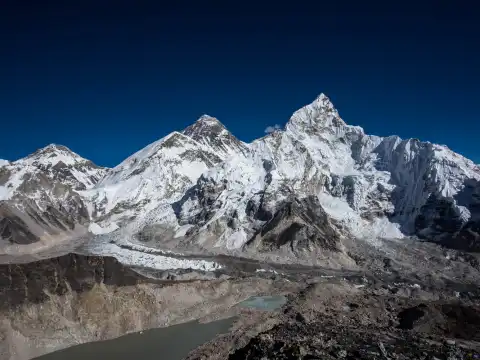
An early start marks the most iconic day of the trek. From Lobuche, you’ll trek to Gorak Shep, a small village that serves as the final stop before Everest Base Camp. After a brief rest and lunch in Gorak Shep, you’ll set out for the hike to Everest Base Camp itself. The trail from Gorak Shep to the base camp is a thrilling journey, with views of massive glaciers, towering peaks, and the iconic Khumbu Icefall. Upon arrival, you’ll spend time exploring and taking photos at this legendary site where countless mountaineers begin their summit attempts. Afterwards, you’ll return to Gorak Shep for a well-earned overnight stay at the teahouse, sharing stories with fellow trekkers.
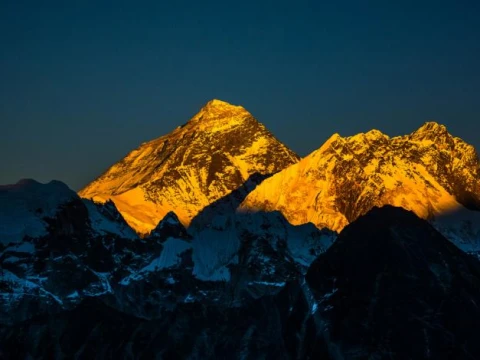
Today you will rise very early for the challenging but rewarding hike up to Kala Patthar, the highest viewpoint on the trek at 5545 meters. This vantage point offers arguably the best sunrise views of Everest and the surrounding Himalayan giants. The panoramic vistas of Everest, Nuptse, Lhotse, and Pumori illuminated by the rising sun are unforgettable. After soaking in the breathtaking views, you will descend back to Gorak Shep for breakfast. Then, you begin a longer descent to Dingboche, retracing the trail through the Imja Valley. Dingboche offers comfortable lodges and a serene atmosphere, perfect for resting after the strenuous morning hike.
From Dingboche, the trail descends gently through the beautiful Imja Valley, passing several small Sherpa villages that give insight into local life and culture. You’ll continue through forests dense with rhododendron and pine trees, especially stunning during spring when the flowers are in full bloom. As you approach Tengboche, you’ll be greeted by the sight of the largest monastery in the Everest region, Tengboche Monastery, which is not only a spiritual center but also offers magnificent views of Ama Dablam and other peaks. The monastery grounds and the village provide a peaceful environment for reflection and cultural appreciation. Overnight in Tengboche, enjoying the serene mountain setting.
Today’s trek descends from Tengboche through scenic landscapes to the village of Monju. Early in the trek, you will pass through Phungithanga, enjoying continued spectacular views of Ama Dablam and Kangtega mountains. Along the way, you’ll get more glimpses of Tengboche Monastery perched on its ridge. The trail gradually descends steeply as you approach Namche Bazaar, the bustling Sherpa trading hub, where you’ll cross through one last market before heading down the final steep trail to Monju. This lower altitude village marks a significant change in climate and vegetation, making it feel warmer and greener. Spend the night resting in Monju’s teahouse after a long day.
Your final trekking day brings you from Monju back to Lukla. The trail winds down through forested areas and small villages, following the Dudh Koshi River valley. The gradual descent allows you to relax and reflect on your incredible journey. Upon arrival in Lukla, you’ll have time to rest and prepare for the return flight to Kathmandu. In the evening, Mountain Holiday Treks & Expedition organizes a special farewell dinner to celebrate the successful completion of your trek. This is a wonderful opportunity to thank the porters, guides, and fellow trekkers while sharing stories from the trail. Overnight in Lukla at a comfortable lodge.
After an early breakfast, you’ll take a scenic mountain flight back to Kathmandu. The flight offers spectacular aerial views of the Himalayan range, including Everest and other famous peaks. Upon arrival, you’ll be transferred to your hotel where you can spend the day at leisure. This is an excellent time for last-minute shopping in Thamel, Kathmandu’s bustling tourist district, known for its handicrafts, trekking gear, souvenirs, and vibrant street life. You can also enjoy a relaxing dinner at one of Kathmandu’s many fine restaurants. Overnight at the hotel
On your final day, a representative from Mountain Holiday Treks & Expedition will escort you to Tribhuvan International Airport in time for your departure flight. As you say goodbye to Nepal, take with you unforgettable memories of your adventure through the Himalayas, the breathtaking mountain views, and the warm hospitality of the Sherpa people. We hope to see you again on another adventure in this beautiful country. Safe travels!
Clothing
Handwear
Footwear
Gear
Miscellaneous
The Everest via Gokyo Ri Trek is a breathtaking and slightly less crowded alternative to the classic Everest Base Camp route. This trek not only takes you to Everest Base Camp (EBC) and Kalapathar, but also includes the spectacular Gokyo Valley, known for its turquoise glacial lakes and panoramic summit views from Gokyo Ri (5,357m). You'll also cross the high-altitude Cho La Pass (5,420m), making this a more adventurous and scenic journey through the Everest region. It's perfect for trekkers who want a blend of iconic views, less-trodden trails, and cultural exploration.
This trek is rated challenging, primarily due to the high altitude and the Cho La Pass crossing, which can be physically demanding and occasionally icy or snow-covered. Trekkers should be in good physical shape and have some prior multi-day hiking or trekking experience. While technical climbing skills are not needed, strong endurance, mental resilience, and proper acclimatization are crucial. A few weeks of cardio training, strength exercises, and day hikes before the trek are highly recommended.
The trek reaches a maximum altitude of 5,545 meters (18,192 ft) at Kalapathar, which is one of the best viewpoints for Everest. Additionally, you will also trek to Everest Base Camp (5,364m) and cross Cho La Pass (5,420m), making this route one of the more high-altitude intensive treks in Nepal.
Some of the key highlights include:
Gokyo Lakes – a series of stunning glacial lakes in the Gokyo Valley
Climb of Gokyo Ri – panoramic views of four 8,000+ meter peaks: Everest, Lhotse, Makalu, and Cho Oyu
Crossing Cho La Pass – an adventurous high-altitude challenge
Everest Base Camp and Kalapathar – classic bucket-list destinations
Visits to Sherpa villages, Tengboche Monastery, and Namche Bazaar – rich in culture and hospitality
Lush forests, glacial moraines, and dramatic landscapes throughout the route
The best trekking seasons are Spring (March to May) and Autumn (September to November) when the weather is stable, skies are clear, and mountain views are at their best. Although it's possible to trek in early winter (December), crossing Cho La Pass can be more difficult due to snow and ice. The monsoon season (June to August) is generally avoided due to poor visibility and slippery trails.
Yes, all necessary permits are arranged and included in your package with Mountain Holiday Treks & Expedition. This includes:
Sagarmatha National Park Permit
Khumbu Pasang Lhamu Rural Municipality Entry Permit
TIMS (Trekkers' Information Management System) (if applicable)
You don’t need to worry about the paperwork – we take care of it for you.
During the trek, you will stay in local teahouses – basic but comfortable mountain lodges offering warm hospitality, simple rooms, and shared bathrooms. In Kathmandu, you’ll stay in a well-rated hotel with modern facilities. Meals during the trek are included and consist of traditional Nepali fare like dal bhat, along with pasta, soups, noodles, rice, eggs, pancakes, and more. Vegetarian meals are easily available.
Boiled and filtered drinking water is available at most teahouses (some charge a small fee). We recommend bringing a reusable water bottle and water purification tablets as a backup.
Electricity is available in most villages to charge devices, but it often comes with an extra fee.
Wi-Fi is available in parts of the trail, especially Namche Bazaar, but may be slow or unreliable in higher altitudes. Don’t expect consistent connectivity—use the opportunity to enjoy being disconnected.
Our guides are well-trained in first aid and altitude sickness response. Your safety is our top priority. If symptoms of Acute Mountain Sickness (AMS) arise, we follow a strict policy of descent and rest. In severe cases, we coordinate helicopter evacuation. That’s why comprehensive travel insurance with emergency evacuation coverage is mandatory for this trek.
A complete packing list will be provided after booking, but key items include:
Well-fitting trekking boots
Warm layered clothing (base layer, fleece, down jacket)
Windproof jacket and pants
Sleeping bag (-10°C to -15°C rating recommended)
Gloves, beanie, and trekking poles
Headlamp, sunscreen, sunglasses, and personal hygiene kit
Rental options for sleeping bags and down jackets are available in Kathmandu.
We operate in small groups, usually 2–10 people, to ensure personalized care and flexibility. Every trek is led by a licensed, English-speaking guide, supported by porters who carry your duffel bag (up to 10-12kg). We follow ethical porter treatment policies, including proper clothing, meals, and insurance for our team.
At Mountain Holiday Treks & Expedition, we bring years of Himalayan trekking expertise combined with local insight, responsible tourism practices, and personalized service. Our clients appreciate our attention to detail, strong safety protocols, and the deep cultural connection we foster along the trail. Whether you're a solo traveler or a group, your journey with us will be both adventurous and enriching.