Bookings are currently open for the 2025/2026 season. Book Now
The Everest Base Camp Trek (EBC) is widely recognized as one of the most iconic trekking routes in the world, offering a once-in-a-lifetime opportunity to witness the majesty of Mount Everest (8,848.86 m) up close. The trek takes you through the heart of the Khumbu Region, a land rich in natural beauty and spiritual significance. It's not only a physical journey but also a deep cultural exploration, where trekkers can experience the legendary Sherpa hospitality, visit ancient Buddhist monasteries, and learn about the traditions of the people who have lived in the Himalayas for centuries.
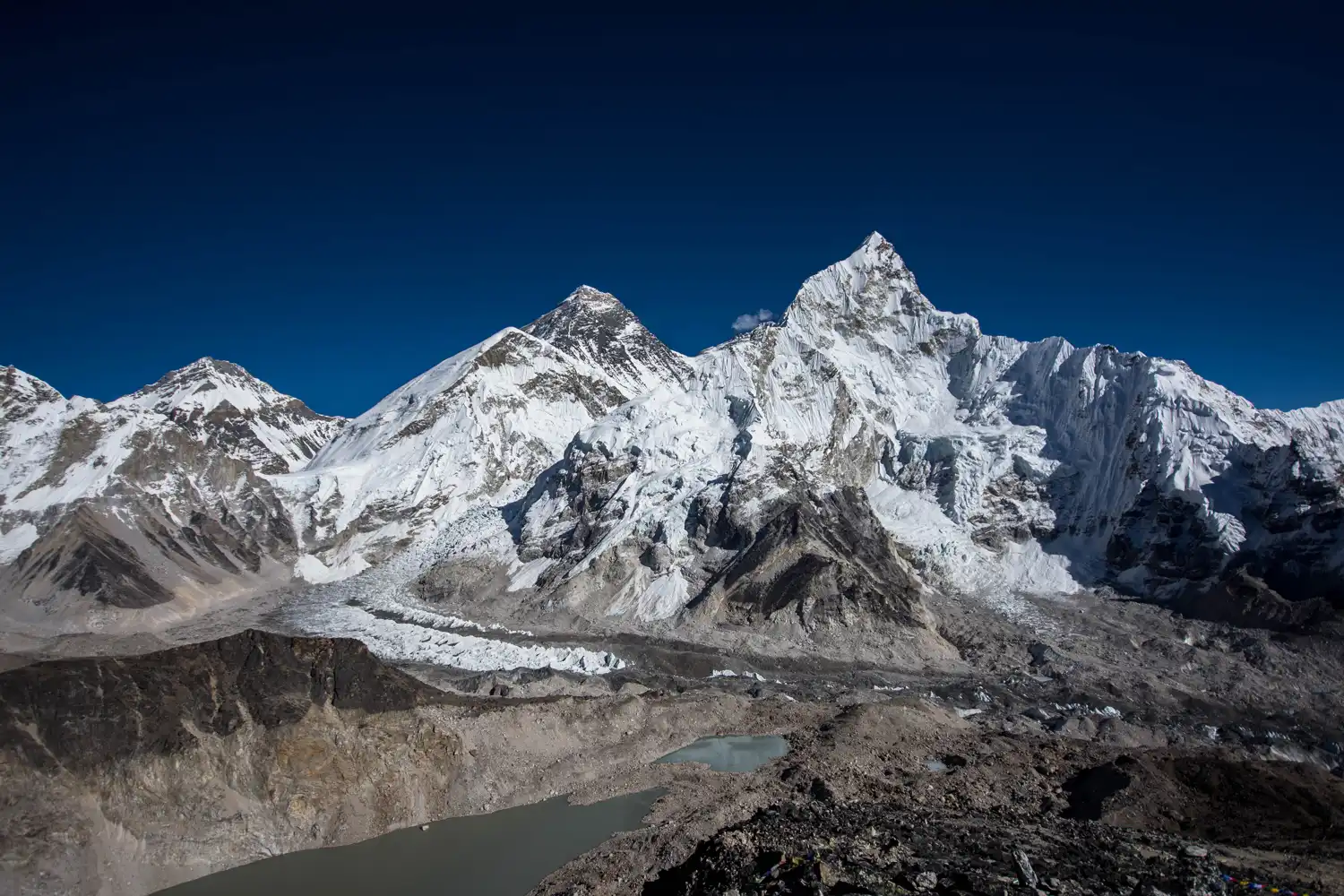
Starting from Lukla and passing through beautiful villages like Namche Bazaar, Tengboche, Dingboche, Lobuche, and finally Gorakshep, the route takes you to Everest Base Camp (5,364 m) and Kala Patthar (5,545 m) – the best vantage point to see Everest. Along the trail, trekkers are rewarded with panoramic views of Lhotse, Nuptse, Ama Dablam, and the mighty Khumbu Icefall. Mountain Holiday Treks & Expedition ensures that this adventure is not only thrilling but also safe, well-supported, and deeply enriching.
Best Time for Everest Base Camp Trek
The best seasons for trekking to Everest Base Camp are spring (March to May) and autumn (September to November). During these months, the weather is generally stable, the skies are clear, and the views of the Himalayan peaks are at their most spectacular. Spring offers a colorful experience with blooming rhododendrons and other high-altitude flora, while autumn provides crisp air, excellent visibility, and a festive vibe in the region with local celebrations like Mani Rimdu in Tengboche Monastery.
While it’s possible to trek during winter and monsoon, it requires greater preparation and resilience. Winter treks (December to February) can be extremely cold, especially at night, and trails might be snow-covered. Monsoon season (June to August) brings heavy rainfall in lower regions and cloud-covered mountain views, though it offers solitude due to fewer trekkers. Mountain Holiday Treks & Expedition offers tailored itineraries for every season and ensures proper gear, guides, and support to make your experience rewarding in any condition.
Everest Base Camp Trekking Difficulty
The Everest Base Camp Trek is considered a moderate to challenging trek, mainly due to the altitude and the length of the journey rather than the terrain itself. Trekkers will be walking 5 to 8 hours daily, ascending gradually from Lukla (2,860 m) to Kala Patthar (5,545 m). Altitude sickness is a major consideration, and the trek is designed with acclimatization days in places like Namche Bazaar and Dingboche to minimize the risks.
No prior technical climbing skills are needed, but good physical fitness, mental resilience, and preparation are essential. The route is well-maintained and marked, with teahouses and medical outposts available. With the guidance of experienced trekking leaders from Mountain Holiday Treks & Expedition, safety is prioritized, and trekkers are closely monitored for altitude-related symptoms. The company ensures proper acclimatization schedules and provides detailed pre-trip advice and checklists to prepare you for the trek.
Food and Accommodation during Everest Base Camp Trek
Throughout the trek, you’ll be staying in teahouses – traditional mountain lodges run by local families. These provide a cozy place to rest, with basic but clean rooms, mostly twin sharing. Toilets are usually shared, and hot showers are available for a small fee. In more remote areas like Lobuche or Gorakshep, facilities are limited, but Mountain Holiday Treks & Expedition pre-arranges the best available accommodations for your comfort and hygiene.
Meals during the trek are hearty and designed to provide the necessary energy for high-altitude trekking. Most teahouses offer a set menu featuring local Nepali dishes like dal bhat, as well as international options such as pasta, pancakes, fried rice, momos, and soups. Hydration is key, and clean drinking water is always available – either bottled or treated. Our company ensures dietary needs are considered, and food safety standards are maintained across all lodges and camps.
Why Choose Everest Base Camp Trek
Choosing the Everest Base Camp Trek is more than just chasing the tallest mountain in the world — it’s about embracing a journey of discovery, endurance, and cultural awakening. You walk through historic Sherpa villages, spin prayer wheels at cliffside monasteries, and tread the very path taken by Tenzing Norgay and Sir Edmund Hillary. It’s a pilgrimage for adventure lovers and mountain enthusiasts alike, allowing you to witness the grandeur of the Himalayas in their full glory.
The feeling of standing at the base of Everest, surrounded by icefalls and the silent presence of Himalayan giants, is indescribable. It’s a bucket-list trek that gives a deep sense of accomplishment and connection with nature. Whether you're chasing a dream or seeking spiritual renewal, Mountain Holiday Treks & Expedition helps you make this journey not only possible but also profoundly meaningful and safe.
Why Choose Mountain Holiday Treks & Expedition
With years of experience and a deep-rooted passion for the Himalayas, Mountain Holiday Treks & Expedition is your ideal partner for the Everest Base Camp Trek. We offer well-crafted itineraries, trained local guides fluent in English and familiar with the terrain, and seamless logistics from arrival in Kathmandu to the final step of your trek. Our guides are not just navigators – they are storytellers, first responders, and your mountain companions.
Our company stands out for its attention to detail, safety-first approach, and personal touch. We understand that every traveler is unique, so we customize experiences and provide support before, during, and after your trek. From gear checklists to airport pickups, from acclimatization advice to emergency plans, everything is taken care of. Trek with Mountain Holiday Treks & Expedition, and you’re not just climbing to Everest Base Camp – you’re walking into an unforgettable journey crafted with care, expertise, and heart.
Mode of Trekking: Lodges and Guesthouses from Lukla to Lukla
Trekking Grade: Moderate to Adventurous (due to high altitude)
Trekking Area: Far North Mid-East Nepal, Khumbu–Everest region
Highest Points: Kala Patthar (5,545 m / 18,192 ft), Everest Base Camp (5,364 m / 17,598 ft)
Culture & People: Inhabited by Sherpa communities, followers of Tibetan Buddhism
Trekking Duration: 12 Nights / 13 Days (Lukla to Lukla)
Total Trip Duration: 13 Nights / 14 Days (Kathmandu arrival to departure)
Best Seasons:
Welcome to Nepal! Upon your arrival at Tribhuvan International Airport, a representative from Mountain Holiday Treks & Expedition will warmly greet you and assist with your transfer to your hotel located in the bustling Thamel district. Thamel is known for its lively streets, colorful markets, and variety of restaurants, making it a perfect first taste of Kathmandu. After check-in and some rest, we’ll meet in the evening for a detailed trek briefing and a welcome dinner at a traditional Nepali restaurant. This is an excellent opportunity to meet your guide and fellow trekkers and to go over final preparations. The briefing will cover safety tips, altitude considerations, and packing reminders to ensure a successful and enjoyable journey ahead.
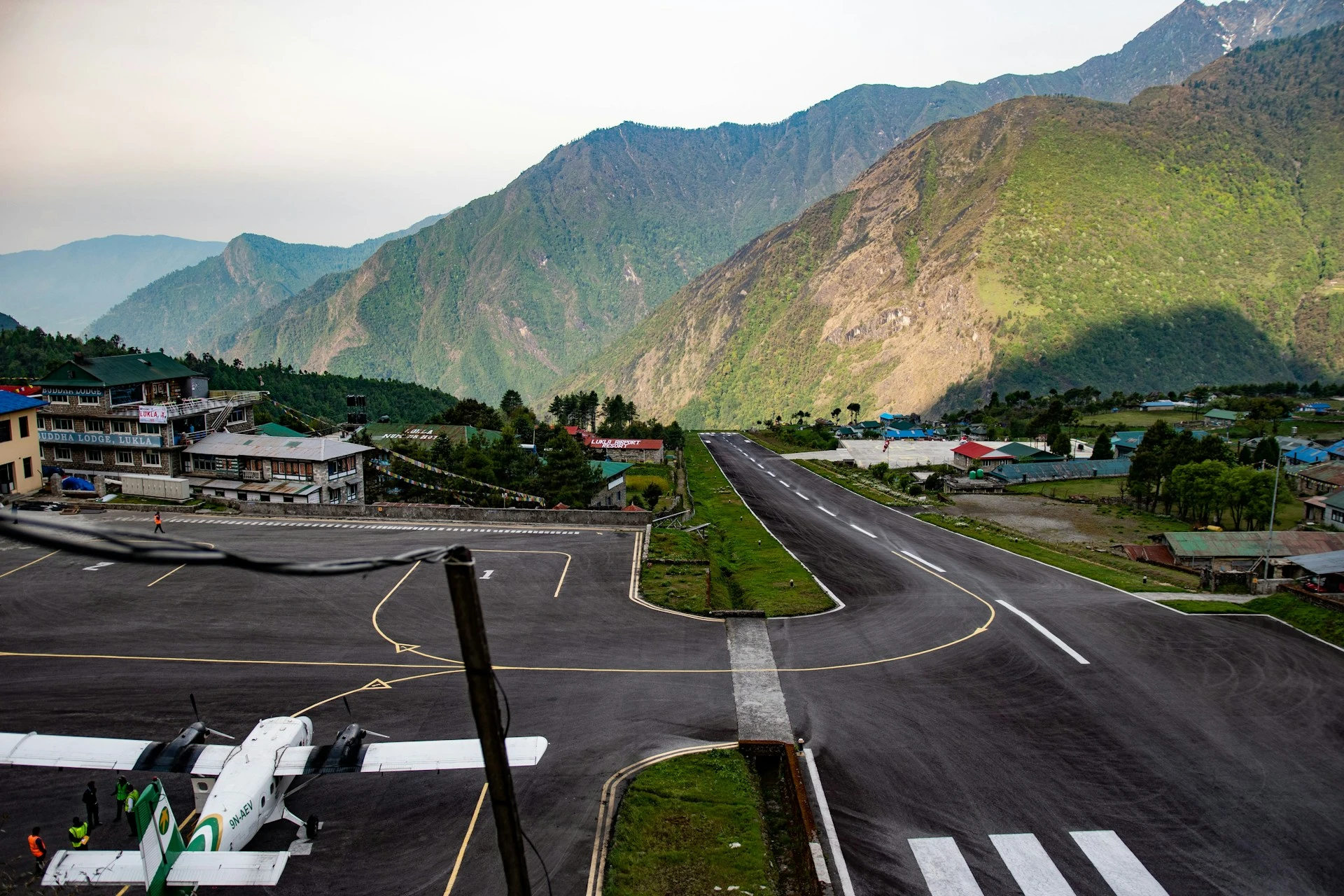
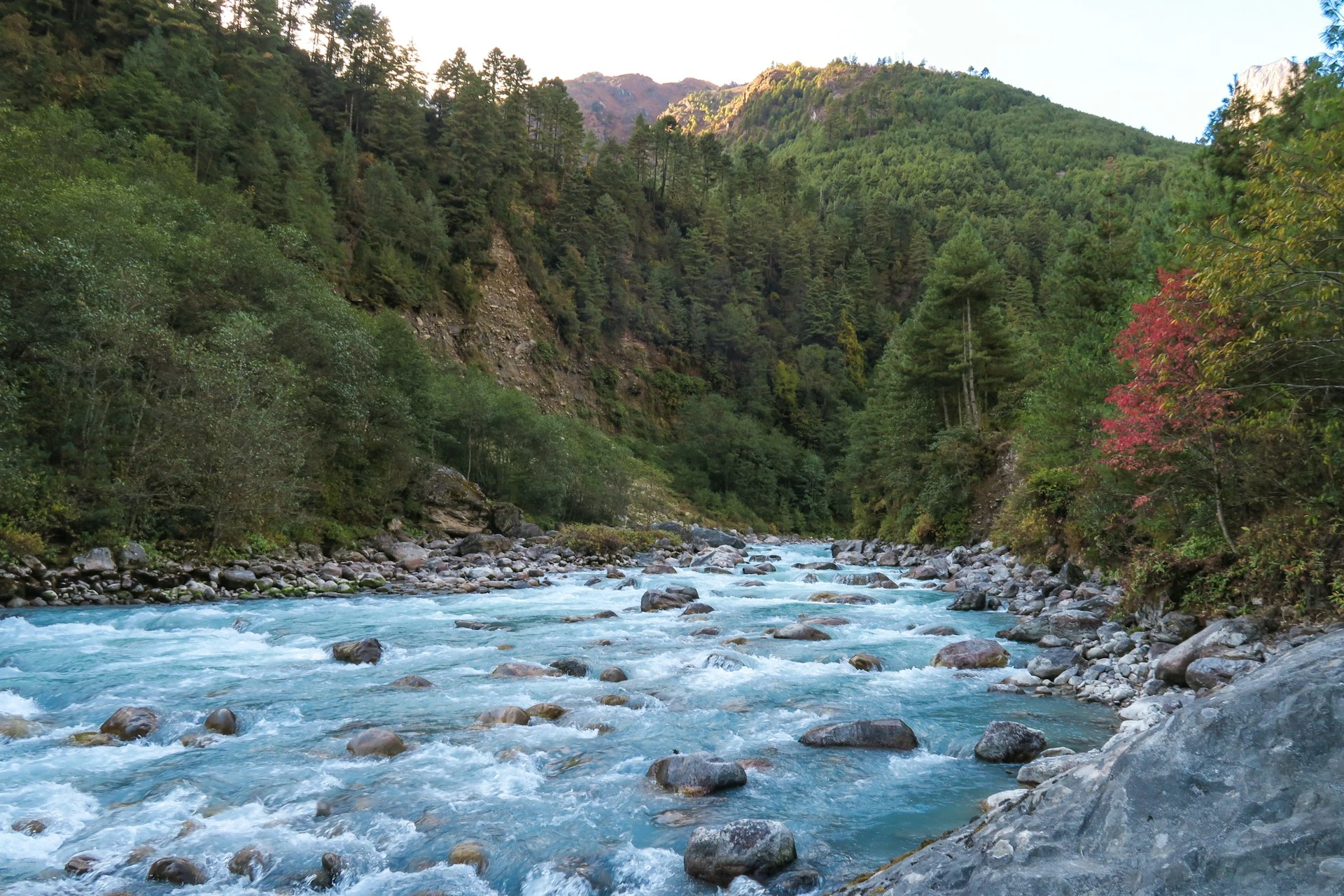
Early in the morning, we board a scenic 30-minute flight to Lukla, one of the most exciting airstrips in the world. This short but thrilling flight offers stunning views of the Himalayas. Upon arrival, we meet our porters, adjust our gear, and begin our trek. The trail descends through beautiful Sherpa villages, stone walls, and prayer wheels, following the banks of the Dudh Koshi River. Lush forests of pine and rhododendron line the trail as we cross several suspension bridges. Today’s walk is relatively easy, helping you acclimatize gradually. We reach the peaceful village of Phakding by mid-afternoon. After checking into a local teahouse, you’ll have time to relax and enjoy the peaceful surroundings of the valley.
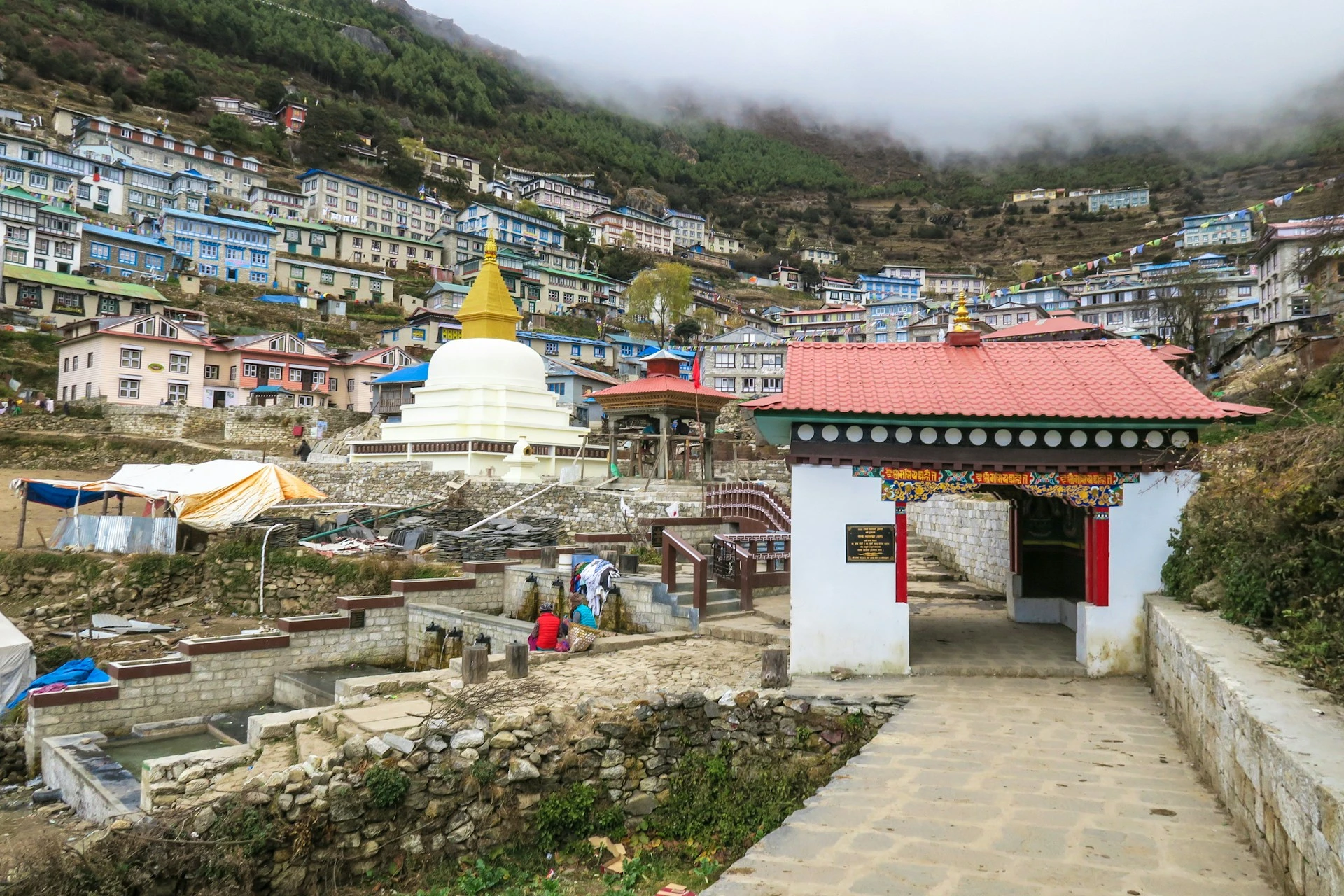
After breakfast, we continue our trek along the Dudh Koshi River, passing through forests and small settlements. Today is a bit more challenging as we gain altitude. We cross the famous Hillary Suspension Bridge, the longest on the trek, and start a steep ascent through pine and juniper forests. The climb is rewarded as we catch our first glimpse of Mount Everest on a clear day. Eventually, we reach Namche Bazaar, a vibrant Sherpa town and the main trading center in the Khumbu region. It’s filled with shops, bakeries, cafés, and gear stores. After checking into our lodge, we rest and explore the lively streets of Namche. It’s important to stay hydrated and take it easy as your body adjusts to the altitude.
Today is a crucial acclimatization day to help your body adjust to the thinner air. We take a scenic hike to the Everest View Hotel, one of the highest hotels in the world, which offers breathtaking views of Everest, Lhotse, Ama Dablam, and other Himalayan giants. Along the way, we pass by Syangboche airstrip and small Sherpa settlements. After returning to Namche, we visit the Sherpa Culture Museum and the Everest Photo Gallery to learn more about the region’s mountaineering history and local traditions. This rest day is vital to ensure a safe ascent in the coming days. You’ll also have free time to shop for local handicrafts or enjoy freshly baked goods at one of the bakeries.
The trail from Namche to Tengboche is one of the most beautiful sections of the trek. We begin with a gradual walk along a ridge with panoramic mountain views, including Everest, Nuptse, and Ama Dablam. After lunch in the village of Phunki Tenga, we begin a steady climb through rhododendron forests to reach the spiritual heart of the Khumbu: Tengboche Monastery. Set against the backdrop of Ama Dablam, the monastery is the largest in the region and a must-see landmark. We arrive in time to witness the monks chanting during the evening prayer ceremony—a deeply moving experience. After exploring the monastery, we settle into our teahouse for the night, surrounded by incredible Himalayan scenery.
Today’s trek begins with a descent through a lovely forest to Debuche, followed by a crossing of the Imja Khola via a suspension bridge. From here, the trail climbs steadily, passing Mani walls and chortens, as well as the village of Pangboche. We are now deep in the high Himalayas, and the air becomes noticeably thinner. The landscape transitions into alpine terrain with sparse vegetation, offering dramatic views of Ama Dablam and other surrounding peaks. As we reach Dingboche, a windswept village nestled in the Imja Valley, you’ll notice the environment is harsher but equally captivating. Dingboche is a popular acclimatization stop, and you'll find the village dotted with stone walls protecting crops from wind and yaks.
Today we stay in Dingboche to aid acclimatization, which is essential before ascending to higher altitudes. To keep our bodies active and adapted, we hike to Nangkartshang Peak, located just above the village. This steep but rewarding hike provides stunning panoramic views of Makalu (the fifth highest mountain in the world), Lhotse, Island Peak, and the towering north face of Ama Dablam. This acclimatization day also allows time for rest, gear adjustments, and hydration. Dingboche offers beautiful Himalayan scenery, and you'll have the chance to observe daily Sherpa life up close. Take the afternoon to relax, journal, or chat with trekkers from around the world. Rest today ensures you're stronger and more resilient for the higher altitudes ahead.
As we continue our trek, the trail gently ascends through the alpine terrain, with sparse vegetation and dramatic, glacier-carved valleys. We stop for lunch at Dughla (Thukla), where the trail becomes steeper, leading us up a ridge lined with memorials for climbers who lost their lives on Everest. This somber and powerful part of the journey gives a deep respect for the mountains. The trail then flattens as we move along the lateral moraine of the Khumbu Glacier, eventually reaching the remote settlement of Lobuche. Surrounded by towering peaks, including Nuptse and Pumori, Lobuche is a small cluster of lodges that serves as a base for trekkers en route to Everest Base Camp.
Today is the highlight of your trek. We begin early and follow the rugged glacial path to Gorak Shep, our final settlement before reaching Base Camp. After a short break at Gorak Shep, we continue toward Everest Base Camp, walking alongside the massive Khumbu Glacier and navigating through rocky terrain. The sight of the iconic Khumbu Icefall and the fluttering prayer flags of Base Camp is truly unforgettable. Standing at the foot of the highest mountain on Earth is a powerful and emotional experience for many. After taking time for photos and soaking in the moment, we return to Gorak Shep for the night. It's a long but incredibly rewarding day.
We wake up early—well before dawn—for a challenging but awe-inspiring hike to Kala Patthar. This rocky peak offers the most iconic close-up view of Mount Everest, glowing in the morning light. At 5,545 meters, this is the highest point of your trek. The 360-degree views from the summit include Everest, Nuptse, Changtse, and the massive expanse of the Khumbu Glacier. After soaking in the sunrise and snapping unforgettable photos, we descend to Gorak Shep for breakfast and then continue our descent to Pheriche. The downhill journey is easier on the lungs, and you'll begin to feel the benefit of lower altitude as we settle into this peaceful valley village for the night.
After a hearty breakfast in Pheriche, we continue our descent through the high-altitude landscape, retracing our steps back to the vibrant town of Namche Bazaar. The trail takes us through Pangboche and Tengboche once again, allowing us to appreciate the views from a new perspective. As we pass through forests, rivers, and suspension bridges, the increase in oxygen levels becomes noticeable, making the walk more comfortable. Though descending is easier on the lungs, it can be demanding on the knees, so trekking poles and good pacing are helpful. Once we reach Namche, the comfort of warm meals, cozy teahouses, and perhaps a celebratory bakery treat awaits. This marks our second last trekking night, and spirits are high as Base Camp is now behind us.
Today is the final day on the trail, and we complete our circular journey back to Lukla. The path descends steeply at times as we make our way back along the Dudh Koshi River, crossing familiar suspension bridges and Sherpa villages. It’s a day of reflection—recalling highlights, challenges, and moments of awe from the trek. Although the trail may feel more relaxed now, the last ascent to Lukla requires one last push. Upon arrival, there’s time to celebrate with your trekking crew and porters over a warm meal and a sense of accomplishment. Many trekkers spend this final night reminiscing with fellow hikers, grateful for the adventure and camaraderie formed over the last two weeks.
In the morning, we take our return flight from Lukla to Kathmandu, once again enjoying spectacular aerial views of the Himalayas (weather permitting). Upon arrival, a team member from Mountain Holiday Treks & Expedition will pick you up and transfer you to your hotel in Thamel. The rest of the day is yours to relax, shop for souvenirs, or explore cultural sites like Swayambhunath (Monkey Temple) or the ancient squares of Kathmandu. In the evening, you can gather for a farewell dinner or simply unwind with your own plans. After days in the remote Himalayas, the city’s comforts are a welcome change. This is your final full day in Nepal, so take time to soak it all in.
After breakfast, our team will arrange a comfortable airport transfer based on your flight schedule. As you head to Tribhuvan International Airport, the memories of mountain sunrises, snowy trails, prayer flags, and towering peaks will remain with you forever. The Everest Base Camp Trek is not just a physical journey but a spiritual one that leaves a lasting impact. We at Mountain Holiday Treks & Expedition thank you for choosing to travel with us and hope your Himalayan adventure exceeded expectations. We wish you a safe journey home and hope to welcome you again for future treks, perhaps to Annapurna, Mustang, or beyond. Namaste and farewell from Nepal!
The Everest Base Camp trek was the most incredible experience of my life. The scenery was beyond anything I imagined — towering peaks, ancient monasteries, and friendly Sherpa villages at every turn. Our guide, Pasang, was not only knowledgeable but truly cared about our well-being and safety. The acclimatization days were well-planned, and I never felt rushed. Standing at Base Camp was surreal, and the sunrise from Kala Patthar left me speechless. If you’re dreaming of the Himalayas, go with this team — they’re professional, passionate, and make you feel like family.
Clothing
Handwear
Footwear
Gear
Miscellaneous
The EBC trek is considered moderate to challenging. While no technical skills are needed, you’ll be hiking for several hours daily at high altitude. Good physical fitness and mental preparation are essential.
No prior trekking experience is required, but being in good shape helps. We recommend preparing with regular walks or hikes, especially on uneven terrain, before your trip.
The best seasons are:
These months offer stable weather, great views, and ideal trekking conditions.
The classic Everest Base Camp trek takes around 12 to 14 days, including two acclimatization days. The length may vary depending on your route, pace, and itinerary add-ons.
Trekkers stay in teahouses — basic mountain lodges with twin beds, shared bathrooms, and hot meals. Amenities become simpler at higher elevations.
You’ll need the following permits:
Your trekking company usually handles these for you.
Altitude sickness is a risk above 2,500 m. Our itineraries include acclimatization days, and our guides are trained to spot symptoms early. Stay hydrated, take your time, and don’t ignore signs of illness.
Yes, but access is limited and paid in most areas. Many teahouses offer Wi-Fi and charging for a fee. We recommend bringing a power bank and managing expectations.
Essentials include:
We’ll provide a full packing list upon booking.
While solo trekking is possible, we recommend going with a guide or group for safety and a richer experience. As of April 2023, trekking in some regions (including EBC) may require a licensed guide by regulation.