Bookings are currently open for the 2025/2026 season. Book Now
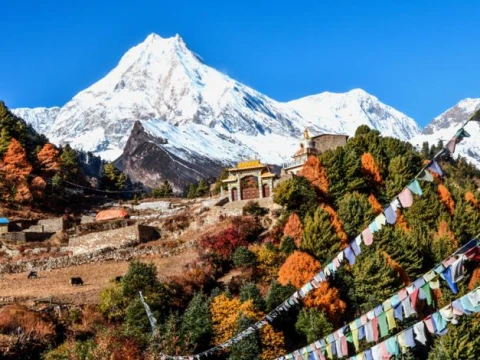
The Manaslu Tsum Valley Trek is one of Nepal’s most fascinating and culturally rich trekking experiences, blending rugged Himalayan beauty with ancient Buddhist heritage. Situated in the remote northern region of Gorkha, this trek combines the classic Manaslu Circuit with the sacred Tsum Valley – a place once considered a hidden valley by the local Tibetan Buddhists. The trek offers a journey through lush forests, narrow gorges, alpine meadows, and high mountain passes, with awe-inspiring views of Mount Manaslu (8,163m), the eighth-highest peak in the world.
Organized by Mountain Holiday Treks & Expedition, this 19-day adventure takes you from the bustling capital city of Kathmandu to serene villages like Chumling, Rachen Gompa, and Samagaon. Along the way, you will experience the genuine hospitality of the ethnic Gurung and Tibetan communities, visit ancient monasteries like Mu Gompa, and cross the formidable Larkya La Pass at 5,160 meters. The trek is ideal for adventure lovers who seek a less crowded and more culturally immersive alternative to the Annapurna or Everest regions.
Best Time for Manaslu Tsum Valley Trek
The best seasons for the Manaslu Tsum Valley Trek are spring (March to May) and autumn (September to November). During these months, the weather is generally stable, with clear skies and excellent visibility of the surrounding Himalayan peaks. Spring brings blooming rhododendrons and wildflowers along the trail, while autumn offers crisp air and colorful foliage, making the trekking experience even more magical.
While winter (December to February) brings stunning snow-covered landscapes, trekking at high altitudes during this time can be risky due to extreme cold and heavy snow at the Larkya La Pass. The summer/monsoon season (June to August) is less ideal due to slippery trails, leeches, and frequent rain, although the Tsum Valley – lying in a rain shadow – may still be accessible. Mountain Holiday Treks & Expedition offers customized itineraries based on your preferred travel window to ensure safety, comfort, and maximum enjoyment.
Manaslu Tsum Valley Trekking Difficulty
The Manaslu Tsum Valley Trek is considered moderate to challenging. The route involves several steep ascents and descents, river crossings, and high-altitude hiking, especially around and beyond Samdo and Larkya La Pass. Trekkers will reach altitudes over 5,000 meters, so proper acclimatization is crucial to avoid altitude sickness. A good level of fitness and some prior trekking experience are highly recommended.
Despite the challenges, the trek is very rewarding. Mountain Holiday Treks & Expedition ensures that every group is guided by experienced, government-licensed guides who are trained in first aid and high-altitude response. Acclimatization days are strategically placed in locations like Samagaon, and the itinerary is designed to help your body gradually adapt to the elevation. With expert logistical support, the trek becomes achievable even for first-time high-altitude trekkers.
Food and Accommodation for Manaslu Tsum Valley Trek
Throughout the Manaslu Tsum Valley Trek, trekkers will stay in locally run teahouses, which offer a basic but comfortable lodging experience. Rooms are usually twin-shared, with warm blankets provided, and common dining areas serve as cozy gathering places in the evenings. The further you ascend, the more basic the facilities become, but the authentic hospitality of the locals more than makes up for the simplicity.
In terms of food, teahouses offer a surprisingly wide range of options. While the staple Dal Bhat (rice, lentil soup, and vegetables) is a favorite among trekkers for its energy-giving nutrients, menus may also include noodles, pasta, fried rice, chapati, pancakes, and even some Western items like pizza and eggs. Mountain Holiday Treks & Expedition places a strong emphasis on hygiene and safety, ensuring that meals are prepared with clean water and fresh ingredients. Vegetarian meals are easily available, and special dietary requirements can be accommodated upon request.
Why Choose Manaslu Tsum Valley Trek
The Manaslu Tsum Valley Trek is perfect for those looking to explore off-the-beaten-path destinations in the Himalayas. Unlike the crowded Everest or Annapurna routes, this trek offers serenity, cultural depth, and a real sense of discovery. The spiritual aura of Tsum Valley, coupled with the dramatic mountain scenery and rare wildlife (including blue sheep and Himalayan thar), makes this journey unique. You'll also gain deep insights into Tibetan Buddhism through visits to sacred monasteries like Mu Gompa and Rachen Gompa.
Choosing Mountain Holiday Treks & Expedition ensures a safe, well-organized, and enriching trekking experience. With years of experience in Himalayan expeditions, our team provides personalized service, expert guidance, and a strong focus on responsible travel. We handle all logistics – from permits and transportation to accommodation and meals – so you can focus entirely on your adventure. Trek with us and discover why the Manaslu Tsum Valley is one of Nepal’s most cherished hidden gems.
Upon arrival at Tribhuvan International Airport in Kathmandu, a representative from Mountain Holiday Treks & Expedition will greet you and transfer you to your hotel. As you make your way through the bustling streets of the capital, you'll catch your first glimpse of Nepal's vibrant culture. After checking in, you’ll have some time to rest after your flight. Depending on your arrival time, you can explore nearby areas such as Thamel, a popular tourist district filled with shops, cafes, and local vendors. In the evening, a pre-trek briefing will be conducted where you’ll meet your guide, finalize trek preparations, and review the itinerary. This is a good opportunity to ask any last-minute questions and ensure all your gear is ready. A welcome dinner at a traditional Nepali restaurant will be organized to introduce you to Nepalese cuisine and hospitality. Overnight at hotel in Kathmandu.
After an early breakfast, your journey begins with a long drive from Kathmandu to Machha Khola. The route initially takes you along the Prithvi Highway with scenic views of terraced hills, rivers, and traditional villages. As the drive progresses, the road becomes more rugged and winds through the hills of Dhading and Gorkha districts, giving you a taste of rural Nepal. The final stretch of the journey follows a narrow dirt road with glimpses of the Budhi Gandaki River far below. The journey typically takes around 8–10 hours, depending on road conditions. You’ll pass through small settlements like Arughat and Soti Khola before finally reaching Machha Khola, a small riverside village. This village is named after the "Fish River" and serves as the starting point of your trek. After a long day on the road, you'll check into a local teahouse and rest for the night, preparing for your first day of trekking tomorrow.
After a hearty breakfast, the trek begins as you follow the narrow trail along the Budhi Gandaki River. Today’s walk takes you through lush forested hills, terraced fields, and several small Gurung and Magar villages. Crossing a suspension bridge, you'll reach Khorlabesi, a small village known for its hot springs. The path continues through rocky ravines and scenic landscapes until you arrive at Tatopani, a place named after its natural hot springs—an excellent spot to rest and relax your tired muscles. The trail then ascends and descends, crossing several ridges and suspension bridges before entering the Jagat village, a well-organized settlement made of stone houses. Jagat marks the official entry point to the Manaslu Conservation Area, where permits will be checked. The village is nestled on a shelf above the river and offers great views of the surrounding hills. Dinner and overnight at a local teahouse.
Today, you begin with a scenic trek through subtropical forests and small streams. The trail ascends gradually to Salleri, offering magnificent views of Sringi Himal. From there, you descend to Sirdibas, a charming Gurung village with chortens and mani walls. Continuing along the river, you’ll cross a suspension bridge and begin a steep climb to Philim, one of the larger villages in the region with a school and some government offices. The trail beyond Philim forks—one path leads toward the classic Manaslu Circuit and the other toward the sacred Tsum Valley. Taking the right-hand trail, you’ll walk through a dense forest of pine and rhododendron. After a few hours, you reach Lokpa, the first village in the Tsum Valley. The village is surrounded by lush forest and offers a peaceful atmosphere, with stunning views of the Ganesh Himal range. Lokpa is also known for its rich Tibetan Buddhist culture. Overnight at a teahouse in Lokpa.
After breakfast, the trail descends steeply through a narrow gorge, followed by a steady climb through dense forest. The isolation of the Tsum Valley is felt strongly here, with only occasional signs of human presence. The route involves several ups and downs before reaching the long suspension bridge over the Siyar Khola. Once across, the trail ascends through pine and rhododendron forests before reaching Chumling. Chumling, situated on the southern slope of the Shingri Himal, is a quaint Tibetan village with traditional stone houses, chortens, and mani walls. You can explore the ancient Chumling Gompa and enjoy sweeping views of Ganesh Himal from the village. The people of this region are ethnically Tibetan and still follow old customs and traditions, giving you a deep cultural experience. Dinner will be served at a local teahouse, where you can rest and enjoy the peaceful environment.
Today's trail takes you deeper into the Tsum Valley, revealing more of its spiritual and cultural wonders. You begin by crossing suspension bridges over the Shiar Khola and hiking through forested trails and picturesque villages. You pass Domje and continue to Chhokangparo, offering incredible views of Ganesh Himal and Himalchuli. The elevation gain is noticeable, and the air becomes cooler and fresher. After crossing several mani walls and prayer flags fluttering in the wind, you continue to Rachen Gompa. Rachen Gompa is a significant Buddhist monastery of the Nyingma sect, housing many nuns and monks. Set in a wide, open valley, the monastery is serene and spiritually uplifting. You’ll have time to explore the gompa, interact with local monks and nuns, and learn about the monastery’s daily rituals and Buddhist teachings. Overnight at a nearby teahouse.
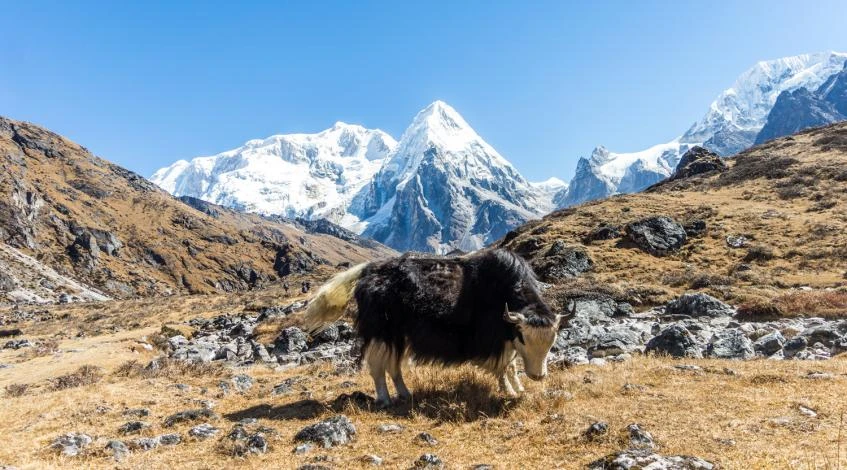
The trek from Rachen Gompa to Mu Gumpa via Nile is both culturally and scenically rich. The trail ascends gently, following the Shiar Khola and passing traditional Tibetan villages, cultivated fields, and colorful prayer flags. You reach Nile, the last permanent settlement in the Tsum Valley, before ascending toward Mu Gumpa. Situated at 3,700 meters, Mu Gumpa is one of the highest and oldest monasteries in the region, dating back centuries. Surrounded by barren hills and backed by towering snow peaks, Mu Gumpa offers panoramic views and an atmosphere of deep spirituality. You can visit the monastery, meet resident monks, and observe traditional rituals. The area is close to the Tibetan border, and you may even spot yaks grazing in nearby meadows. After spending some time at Mu Gumpa, you return to Nile for the night. Overnight at a local teahouse in Nile.
After experiencing the spiritual and remote beauty of Mu Gumpa and Nile, it's time to descend back toward Chumling. The return trail allows you to appreciate the Tsum Valley from a different perspective, and the descent offers a more relaxed pace. Passing through Rachen Gompa again, you continue down past Chhokangparo and Domje. You may notice small nuances in village life that were missed on the way up. Along the route, you’ll pass prayer wheels, mani stones, and ancient chortens that emphasize the deep-rooted Buddhist culture of the region. The landscape slowly becomes greener and lusher as you lose altitude. Upon reaching Chumling, you can revisit the monastery or simply enjoy a restful evening in the peaceful village. Dinner and overnight at a teahouse.
Leaving the serene Tsum Valley behind, today’s trek involves retracing your steps back to Lokpa and then heading toward the Manaslu Circuit route. The trail descends through dense pine forests and across several suspension bridges over the Budhi Gandaki River. You’ll pass Philim once again, then follow a trail carved into steep cliffsides. After crossing a dramatic gorge, the path winds through subtropical vegetation and leads to the charming village of Deng. This small settlement lies at the base of towering cliffs and is surrounded by terraced farmland. The shift in terrain and culture is noticeable as you leave the Tibetan-influenced Tsum Valley and rejoin the more diverse communities of the Manaslu region. The village is inhabited mainly by Gurungs and has a distinct character with traditional stone houses and friendly locals. Overnight at a teahouse in Deng.
Today’s trek begins with a gentle climb through lush forest and continues along the Budhi Gandaki River. The trail crosses several suspension bridges and passes through picturesque settlements like Rana and Bihi Phedi, where you may notice increasing signs of Buddhist culture including prayer flags and mani walls. As the elevation rises, the landscape becomes more alpine, with pine trees and occasional glimpses of snow-capped peaks. You’ll pass through the village of Ghap, where intricate stone carvings and Buddhist chortens add cultural richness to the route. After lunch, the path ascends steeply through dense forest alive with bird songs and the occasional sighting of langurs. After a steady climb, you finally reach Namrung, a charming village that serves as a checkpoint for permits. The views from Namrung are spectacular, with Mt. Himalchuli and Ganesh Himal dominating the skyline. The village itself offers comfortable teahouses and a peaceful environment. Overnight in Namrung.
Leaving Namrung behind, the trail continues to climb steadily through forests and small alpine villages. Today’s journey is relatively short but offers plenty of breathtaking scenery and cultural immersion. You’ll pass through Lihi, a beautiful village with stone houses, barley fields, and artistic mani walls. After crossing a few ridges, the trail continues through Sho village, where views of Manaslu (8,163m) begin to emerge. As you ascend, the air becomes cooler, and the vegetation changes from forested slopes to more open alpine meadows. The final leg to Lho is a gradual ascent, leading to one of the most scenic villages on the trek. Lho is a large settlement with a prominent monastery perched on a hill above the village. The monastery offers stunning views of Manaslu and the surrounding peaks. You can take time in the afternoon to explore the monastery or simply enjoy the tranquil mountain setting. Overnight at a teahouse in Lho.
The trail today leads you deeper into the high Himalayas, offering magnificent views at every turn. From Lho, the path ascends gently, passing through dense forests of fir and rhododendron, with the mighty Manaslu always in sight. After a few hours, you reach Shyala, a picturesque village surrounded by high peaks including Himalchuli, Peak 29, and Manaslu. This spot is a great place to take a short break and soak in the views. Continuing onward, the trail flattens out and opens into the expansive valley of Samagaon. This is one of the most culturally rich villages in the region, inhabited by Tibetan descendants who maintain traditional ways of life. The village is surrounded by fields of barley and buckwheat and features a large monastery that is well worth visiting. Upon arrival, you’ll check into your teahouse and enjoy the cool mountain air. The views of Manaslu from Samagaon are simply unforgettable. Overnight at a teahouse.
Today is a vital acclimatization day to help your body adjust to the increasing altitude. You can choose from several rewarding side trips. One option is a hike to Birendra Lake, a stunning glacial lake just above Samagaon, offering crystal-clear waters and excellent photo opportunities. Another is a trek to Pungen Monastery, located on a ridge with panoramic views of Manaslu. This monastery is peaceful and spiritually significant, perfect for meditation or reflection. For those who are physically prepared and want a more strenuous option, a hike to Manaslu Base Camp (4,800m) is possible. This trail climbs steeply through alpine meadows and provides unforgettable views of the north face of Manaslu. Regardless of the option chosen, the day will be both scenic and beneficial for acclimatization. After the day’s excursion, you return to Samagaon for rest and preparation for the upcoming high passes. Overnight at a teahouse.
Leaving Samagaon behind, today’s trek is a steady climb along the Budhi Gandaki River, with fewer trees and a more open alpine landscape. The trail ascends gradually through yak pastures and fields of juniper and wildflowers. You’ll pass by remnants of old settlements and chortens that mark the way toward the high Himalayas. The towering peaks of Manaslu and the surrounding ranges remain ever-present in the background. After about 4 hours of walking, you reach Samdo, the last major settlement before the Larkya La Pass. This remote village lies just a few kilometers from the Tibetan border and is home to Tibetan refugees. Samdo offers a fascinating look into high-altitude Himalayan life, with its stone-built homes, traditional attire, and a strong Buddhist presence. In the afternoon, you can take an acclimatization walk up a ridge for views of the surrounding peaks and valleys. Overnight at a teahouse in Samdo.
Today’s trek is relatively short but crucial as you ascend to Larkya Phedi, also known as Dharamsala, the base camp for the Larkya La Pass. The trail begins by crossing a wooden bridge over the Budhi Gandaki River and continues along a barren valley flanked by towering peaks. As you gain elevation, the environment becomes harsher and more remote, with windswept alpine landscapes. The hike takes around 4 hours, allowing ample time for rest and acclimatization at Larkya Phedi. The lodge here is basic but serves as a vital stop before the challenging pass crossing tomorrow. You may encounter herds of blue sheep or Himalayan marmots along the way. After reaching the teahouse, rest and hydrate well in preparation for the next day’s early start and long trek across Larkya La. Overnight at a basic lodge in Larkya Phedi.
Today is one of the most demanding but rewarding days of the trek. An early morning start is essential as you begin your ascent to Larkya La Pass (5,160m), the highest point of the journey. The trail climbs gradually at first, becoming steeper and more challenging as you reach the final approach. Despite the altitude and cold winds, the views are spectacular, with peaks like Himlung Himal, Cheo Himal, Kang Guru, and Annapurna II stretching across the horizon. Upon reaching the summit, colorful prayer flags mark the pass, and the sense of accomplishment is immense. After taking in the views and photos, begin a long descent to Bimthang, crossing rocky moraines and glacial valleys. The descent can be tough on the knees, but the stunning landscape and the sense of reaching the other side of the Himalayas keep spirits high. Arriving at Bimthang, nestled in a broad glacial valley, you’ll enjoy a well-earned rest. Overnight at a teahouse.
From Bimthang, the trail descends rapidly into lush forest, marking a stark change in landscape. You cross high pastures, glacial streams, and rhododendron forests as you descend into warmer altitudes. Views of Lamjung Himal and the Annapurna range are stunning throughout the day. Passing through the villages of Yak Kharka, Kharche, and Gho, you’ll notice the return of subtropical greenery and a denser population. The trail becomes more populated and connects with the Annapurna Circuit route. After reaching Tilije, a beautiful Gurung village, you continue to Dharapani, a bustling settlement where permits are checked once again. Dharapani marks the end of your trekking journey. Here, you’ll find better lodges and transportation facilities. Overnight at a comfortable lodge.
After breakfast, you begin the long drive back to Kathmandu. The journey starts with a bumpy jeep ride down to Besisahar, passing waterfalls, rice terraces, and charming hillside villages. From Besisahar, the road improves, and you’ll continue the drive along the Prithvi Highway toward Kathmandu. The drive takes around 8 to 10 hours depending on road and traffic conditions. Upon arrival in Kathmandu, you’ll be transferred to your hotel where a hot shower and a comfortable bed await. In the evening, Mountain Holiday Treks & Expedition may organize a farewell dinner where you can celebrate your incredible adventure with your guide and fellow trekkers. Overnight in Kathmandu.
Your journey with Mountain Holiday Treks & Expedition comes to an end today. Depending on your flight time, a company representative will transfer you to Tribhuvan International Airport for your onward journey. You leave Nepal with unforgettable memories of high Himalayan passes, remote Tibetan villages, sacred monasteries, and warm hospitality. If you have extra time, extensions like a Chitwan jungle safari or a trip to Pokhara can be arranged. Wishing you a safe flight and hoping to welcome you again for another adventure in Nepal!
The Manaslu Tsum Valley Trek is one of Nepal’s most culturally rich and scenic trekking routes, offering a blend of breathtaking mountain views, remote Tibetan-influenced villages, and serene monasteries. This trek combines the raw beauty of the Manaslu Circuit with the spiritual serenity of Tsum Valley – a sacred Himalayan pilgrimage valley nestled within the northern Gorkha region. Choosing Mountain Holiday Treks & Expedition ensures that you travel with an experienced team dedicated to safety, authenticity, and personalized service. We provide a well-structured itinerary, professional local guides, and ethical trekking practices to enhance your journey.
The Manaslu Tsum Valley Trek is considered a moderate to challenging trek. It requires a good level of physical fitness, stamina, and mental resilience, especially since it includes high-altitude sections like Larkya La Pass (5160m). Trekkers hike for 6–8 hours daily over rugged terrain, often ascending and descending steep trails. Prior trekking experience is helpful but not mandatory. We recommend that participants engage in cardiovascular and endurance training several weeks before the trip. Our itinerary includes acclimatization days to minimize altitude-related issues, ensuring a safer and more enjoyable trek.
Yes, the Manaslu and Tsum Valley region falls under restricted areas of Nepal. Therefore, trekkers must obtain multiple permits including the Manaslu Restricted Area Permit (RAP), Tsum Valley Restricted Area Permit, Manaslu Conservation Area Permit (MCAP), and Annapurna Conservation Area Permit (ACAP). Mountain Holiday Treks & Expedition takes full responsibility for arranging all necessary permits and documentation on your behalf, making the process hassle-free and compliant with government regulations.
The best seasons for trekking in the Manaslu region are spring (March to May) and autumn (September to November). These months offer clear skies, pleasant daytime temperatures, and stable weather conditions, ideal for panoramic mountain views and comfortable trekking. While it’s possible to trek in winter or summer, trails may be affected by snow or heavy monsoon rain, making conditions more demanding.
During the trek, you will stay in local teahouses and lodges, which provide basic but cozy accommodation with twin-sharing rooms. Meals typically consist of Nepali and Tibetan-style dishes such as dal bhat (rice and lentils), noodles, soups, potatoes, and occasionally western food like pasta or pancakes. In Kathmandu, your stay will be in a comfortable hotel arranged by Mountain Holiday Treks & Expedition. We ensure that meals are hygienic, nourishing, and suitable for trekkers.
Your safety is our top priority. All our guides are professionally trained, certified in first aid and high-altitude response, and carry essential medical kits. We monitor altitude sickness symptoms daily and provide emergency evacuation support if needed. Communication equipment is available to stay in contact with our base in Kathmandu. Our team ensures all logistics – transport, accommodation, porters, and food – are well-managed so you can focus on enjoying the adventure.
Electricity is available in most villages for charging devices, usually for a small fee. Solar power is commonly used in higher altitudes. Mobile networks may be patchy in remote areas, and internet (Wi-Fi) is available in some teahouses but often slow and unreliable. We recommend informing family and friends in advance and using the trek as an opportunity to digitally detox and connect with nature.
Yes! At Mountain Holiday Treks & Expedition, we understand that each traveler has different preferences. Our standard 19-day itinerary is thoughtfully designed, but we are happy to customize the route, extend acclimatization days, or even include nearby destinations like the Annapurna Circuit or Tilicho Lake upon request. Our expert travel planners will assist you in tailoring the trek to suit your timeframe and interests.
A comprehensive packing list will be provided upon booking. Essential items include a warm sleeping bag, layered clothing, sturdy trekking boots, rain gear, headlamp, sun protection, and a refillable water bottle. Mountain Holiday Treks & Expedition also offers gear rental services in Kathmandu for items you prefer not to purchase.
With years of experience in organizing Himalayan treks, Mountain Holiday Treks & Expedition is known for its professionalism, safety-first approach, and personalized service. We are committed to responsible tourism, supporting local communities, and preserving the natural and cultural heritage of the regions we operate in. Our local guides are not just experts in navigation but also passionate storytellers, enriching your experience with their knowledge of culture, nature, and mountain life.